


Why Are Amber Lights Becoming More Popular in Outdoor Camping Lighting?
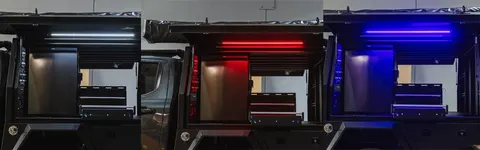
Technology Trends in Outdoor Camping Lights—The Future of LEDs, Rechargeability, and Smart Features
From Illumination to Intelligence — The Technological Evolution of Outdoor Camping Lanterns
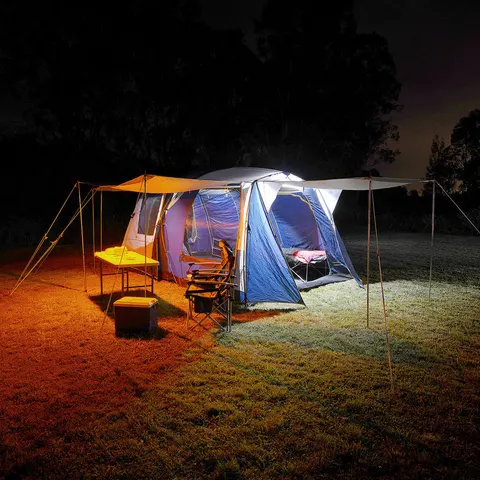
Tips and Safety Precautions for Using Tent Lights—For a More Peace of Mind During Nighttime Camping
Using Your Tent Lamp Right — A Complete Guide to Nighttime Camping Lighting

Camping Lantern Buying Guide—How to Choose Based on the Three Key Factors: Brightness, Battery Life, and Water Resistance?
How to Choose a Camping Lantern? Don’t Be Fooled by “1000 Lumens”When night falls, a reliable camping lantern does more than just light up your tent—it determines the quality of your entire camping experience. But with countless options on the market, from tens to thousands of lumens, many beginners feel overwhelmed. This guide breaks down the three core criteria to help you make the right choice.

More Than Just Light: How Modern Camping Lamps Are Redefining Your Sense of Safety in the Wilderness
Say goodbye to the basic stage of “any light will do.” Modern outdoor lighting technology has evolved from a simple lighting tool into a smart device that integrates energy management, environmental interaction, and psychological safety. This article will explore the “hidden features” of camping lanterns in the great outdoors.

Lighting Strategies Under the “3-3-3 Principle”: How Can a Single Light Help You Get Through the Three Most Critical Phases of Survival?
In wilderness survival, three three-minute periods, three three-hour periods, and three three-day periods can mean the difference between life and death. Light management isn’t simply a matter of “using it sparingly,” but rather a rigorous resource allocation strategy. This article will break down the tiered lighting rules for survival scenarios.